

Feast or Famine
Living and working on a farm makes you acutely aware of the weather. It isn’t simply something to chat about over a cup of tea; it dictates almost every decision we make.
This year we had an exceptionally wet spring. Even into May the ground squelched beneath our boots. John grumbled constantly about how muddy it was underfoot, while I kept reminding him he would be grateful come hay time. When the sunshine eventually arrived, all that stored-up moisture transformed the fields into thick, lush grass.
Of course, farming has a habit of making you grateful for something one month and anxious about the very same thing the next.
Like most farms, we don’t have a mains water supply and have to manage every drop ourselves. It seems absurd to be worrying about collecting rainwater in February, when it can rain every day for weeks on end, yet during the fourteen years we’ve lived here we’ve had more summers than I care to remember when water has become a genuine concern.
Our house is supplied by a borehole that pumps water from sixty metres below the surface, and thankfully it has never let us down. Higher up the fell, another supply is collected in a tank and filtered naturally through layers of different-sized stones before making its way to our pond and the large tanks in the cattle shed.
My favourite water source, though, is the old well.
You could walk straight past it without ever knowing it was there. Hidden beneath an ordinary cast-iron manhole cover lies a beautifully built circular stone well, disappearing into the cool depths below. It would almost certainly have been built before the farmhouse itself, because without water there could have been no farm. Standing beside it, I often find myself wondering how many generations have lifted buckets from those depths, and how many dry summers it has quietly seen come and go.
For hundreds of years, these different water sources would have been enough. But our summers seem to be changing. We lurch from months of endless rain to long spells of hot, dry weather, and farming means always trying to stay one step ahead of whatever nature decides to throw at us.
So we’ve adapted.
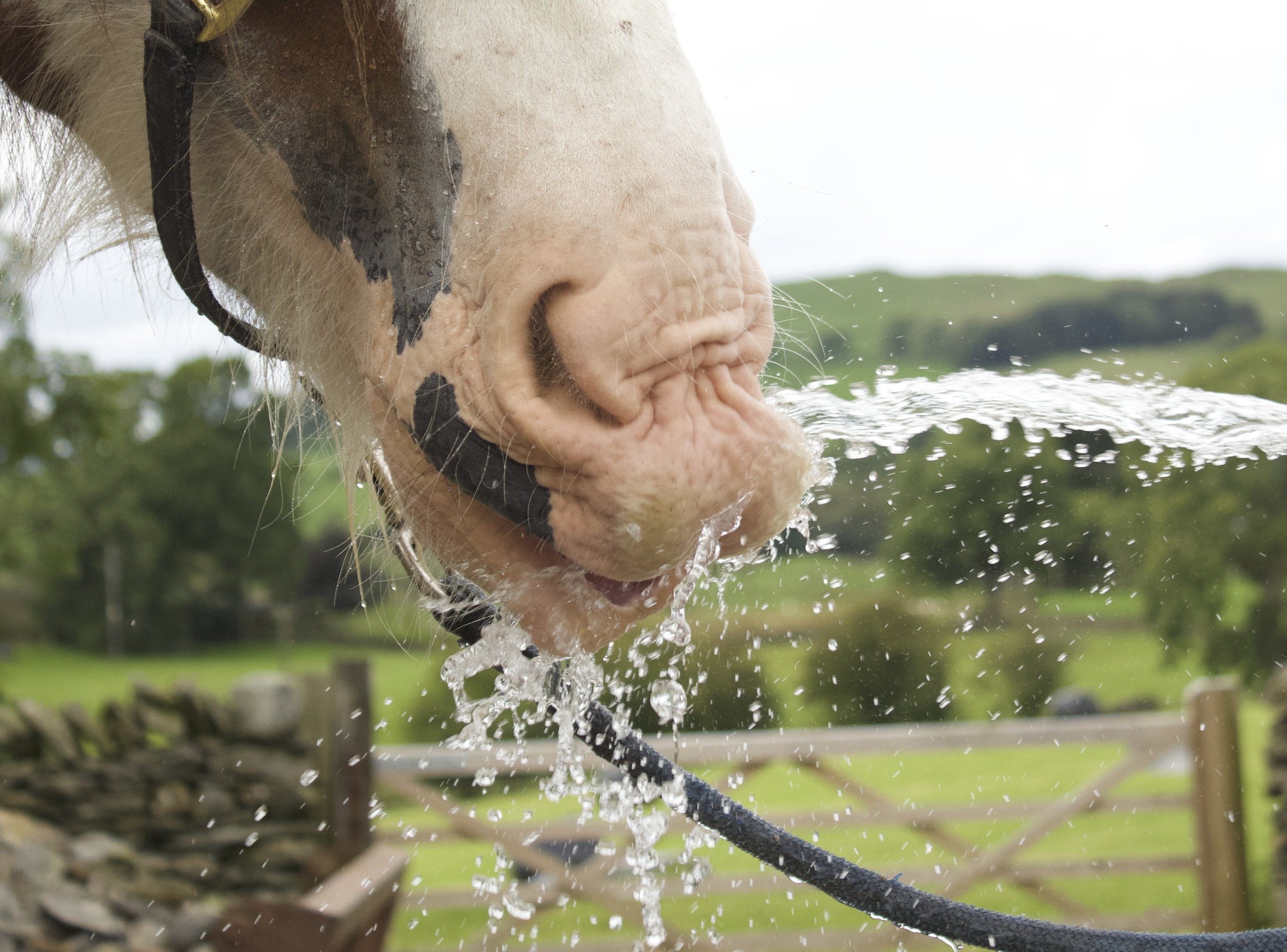
Four enormous 10,000-litre tanks now stand beside the barns, collecting rainwater from the roofs whenever the skies are generous. Through autumn, winter and spring they slowly fill, storing enough water to help carry us through those weeks when the grass turns brown, the streams begin to shrink and every animal on the farm still needs a drink. A beef cow can easily consume up to 120 litres of water a day during a hot spell, so those tanks become worth their weight in gold.
Perhaps that’s farming in a nutshell. Nature rarely gives you exactly what you need, exactly when you need it. There are seasons of feast and seasons of famine, and your job is simply to make sure that one prepares you for the other.